
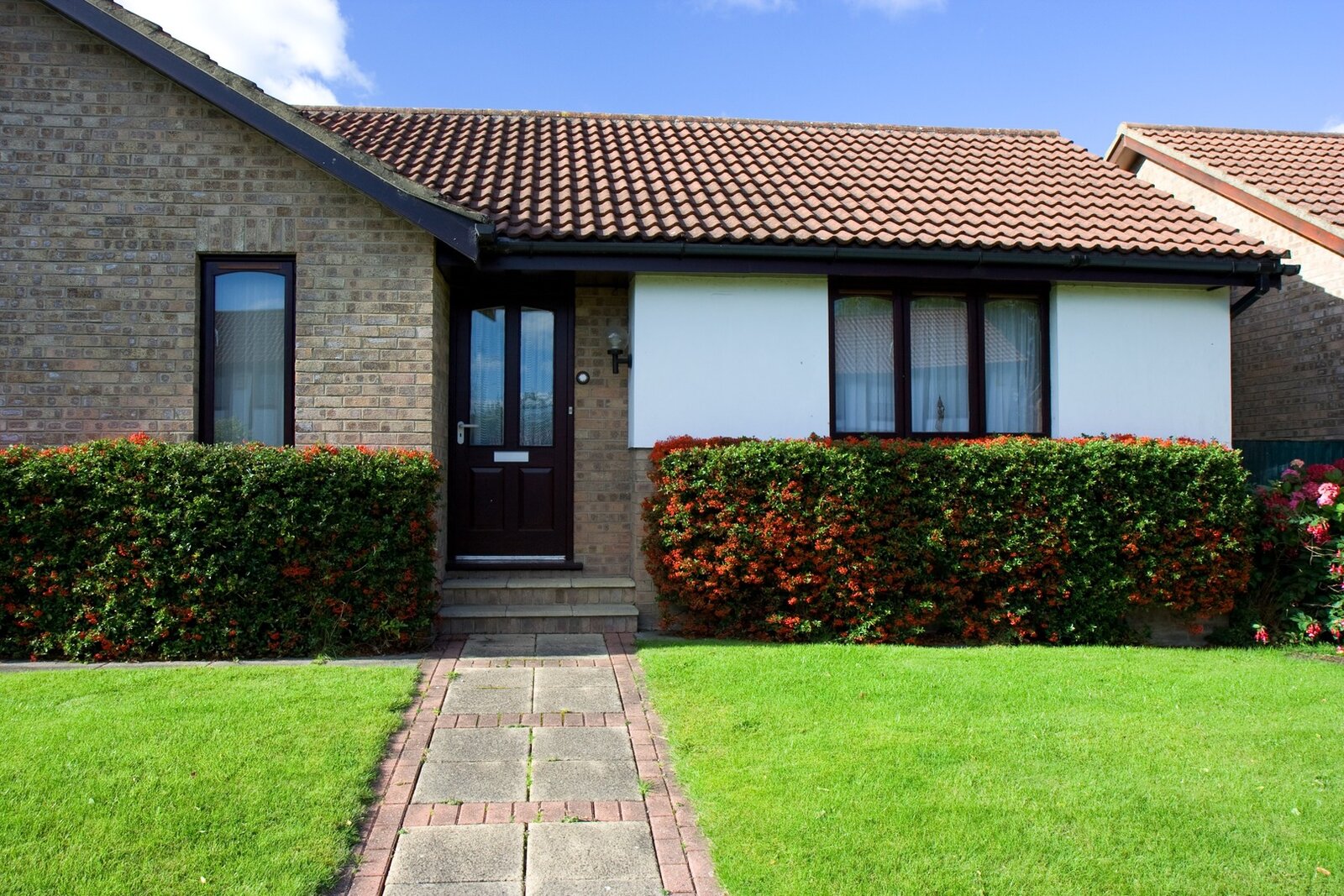
Before we get into the warning signs — let us be clear: most roof problems are not replacement-worthy. We turn up to plenty of inspections where the homeowner expects bad news, and we find a job that costs £400 instead of £8,000. We'd far rather repair than replace, and we'll always tell you honestly which makes sense.
But some roofs are past it. Here's how to tell.
1. Multiple slipped or broken tiles across the entire roof
A few slipped tiles after a storm? That's a repair job — usually £150–£350. Slipping tiles all over the roof, every winter, despite previous repairs? That's almost always a sign the underlay (the membrane underneath the tiles) has failed across the whole roof, and patching individual tiles isn't getting at the real problem.
2. Sagging ridge line or uneven roof surface
Stand at the kerb opposite your house and look at the line of the roof against the sky. Is it perfectly straight, or does it dip in the middle? Are there visible humps or hollows? A sagging ridge is almost always a sign of timber failure underneath — rotten rafters, broken purlins, or a structural issue. This isn't a repair-by-tile job; it's a strip-back-and-rebuild.
3. Visible daylight from the loft (in multiple places)
Go up into the loft on a sunny day, with the lights off. If you can see daylight coming through the roof in multiple places, your underlay is gone and your tiles are loose. One spot of light from a slipped tile is fine — fix that one tile. Many spots of light means the whole roof is leaking and the only sensible fix is replacement.
4. Crumbling underlay (visible from the loft)
Look at the underside of the roof from the loft. The black or grey membrane stretched between the rafters is the underlay (also called "sarking felt"). On a healthy roof, this is intact and continuous. On a roof that's reached the end of its life, the underlay will be torn, sagging, or visibly disintegrating — sometimes it's so far gone you can see the back of the tiles directly.
Underlay typically lasts 30–50 years. If your house was last re-roofed in the 1980s and the underlay is shredded, the tiles aren't far behind.
5. Repeat repairs that haven't held
If you've had three roofers out in five years, all of whom "fixed it" only for the leak to come back — the issue isn't with the roofers. The roof itself is the problem. At some point the cumulative cost of these repairs exceeds the cost of a proper replacement, and you're better off doing the bigger job once.
6. Significant moss penetration (not just surface growth)
A bit of moss on a roof is cosmetic and usually harmless. Heavy moss that's grown under the tile edges and lifted them is a structural problem. Combined with already-aged tiles, this often means replacement is the only realistic fix — repairing individual tiles where moss has lifted them just creates new gaps for moisture.
7. Frost-shattered or porous tiles
Concrete tiles age through freeze-thaw cycles. Water gets into tiny pores, freezes, expands, cracks the tile slightly. Over 50–60 years this builds up, and tiles eventually become brittle and crumbly. If you can break the corner off a tile by hand, the rest of the roof is similar. Replacement is overdue.
8. Damp patches in upstairs rooms (in different places)
One damp patch on a bedroom ceiling is a localised leak — find it, fix it, done. Damp patches appearing in different rooms, in different places, every winter, mean the entire roof is failing rather than one spot.
9. Age — over 60 years for concrete tiles, 80+ for slate
Concrete tiles laid in the 1960s and 1970s are now reaching the end of their original lifespan. Welsh slate lasts longer (80–120+ years) but the fixings — nails, battens, underlay — fail much sooner. If your roof hasn't been substantially worked on in 50 years, the materials underneath the tiles are well past their use-by date even if the tiles themselves still look OK from the ground.
10. The cost of repair is approaching half the cost of replacement
This is the practical test. A typical Worcestershire concrete tile re-roof on a semi-detached house runs £6,500–£9,500. If you're being quoted £3,000+ for a repair that won't last more than a few years, it's worth getting a quote for the full replacement instead.
We always provide both quotes when this is in question, so you can decide based on real numbers.
What to do next
If any of these signs sound familiar, give us a call. We'll come and inspect properly, take photos of what we find, and tell you honestly whether you're looking at a repair or a replacement. The inspection is free, the written quote arrives within 24 hours, and there's no obligation.
And if your roof actually needs repairing rather than replacing — we'll tell you that too. We'd rather give you the cheaper answer.