
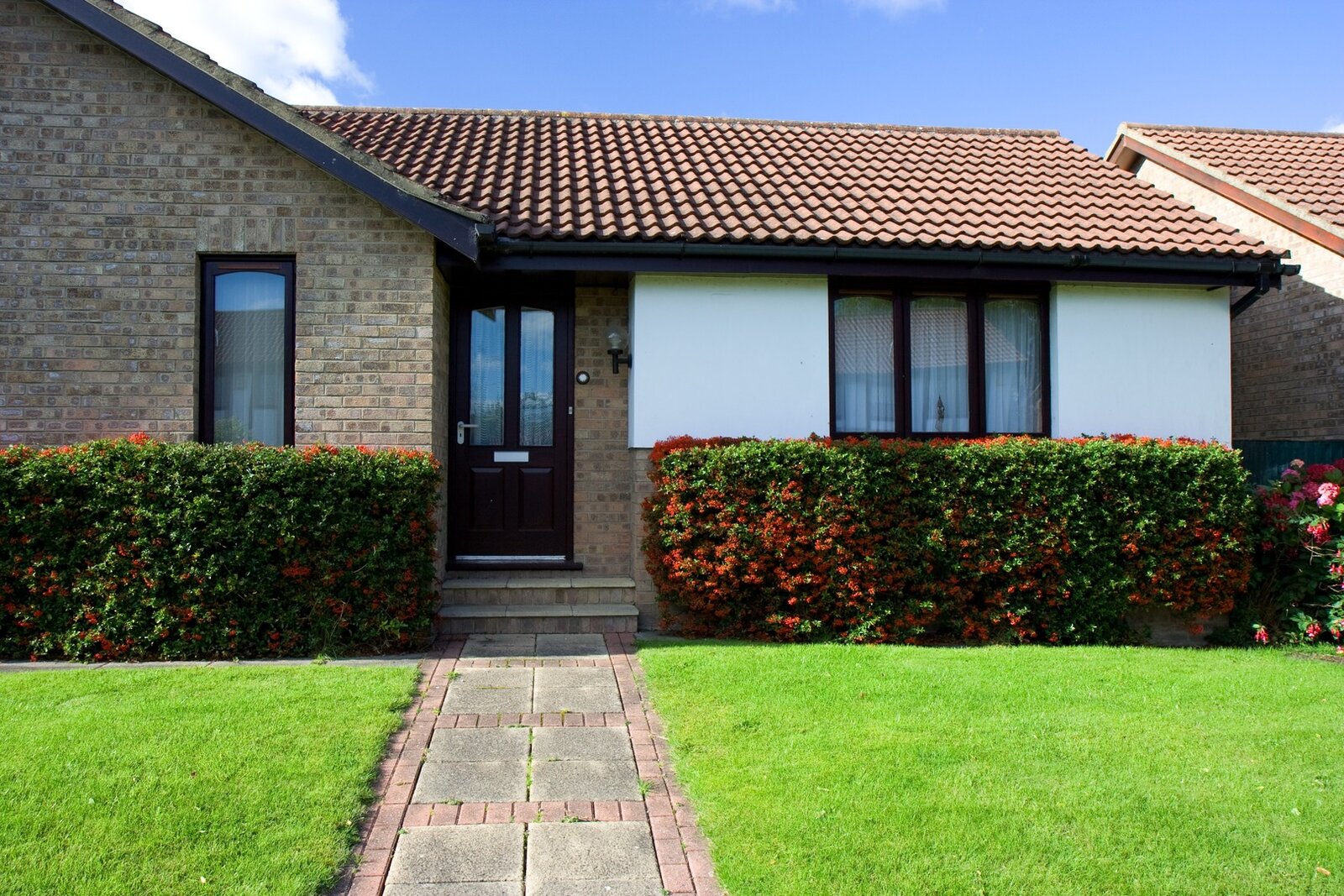
Droitwich Spa has one of the most varied housing stocks in Worcestershire — and that variety is the reason a generic "roofer near me" search rarely gives you the right result. A roofer who's brilliant on a 1970s tile roof in Westlands may have never touched a listed cottage on Friar Street. We do both, regularly, and here's what you should know before getting quotes.
Droitwich's housing in three eras
If you're trying to work out how old your roof is and what materials it should have, Droitwich's housing roughly splits into three periods:
1. Pre-1900 — town centre and historic streets
The historic core — Friar Street, High Street, Vines Lane, Worcester Road heading into the centre — has properties dating back to the 17th and 18th centuries, with substantial Victorian additions from the John Corbett "Salt King" era. Many are Grade II listed or sit within the Wychavon District Council Conservation Area.
Typical roofs: handmade clay tiles, Welsh slate (especially on Victorian additions), occasional stone slates on the oldest properties. Original lime-mortar bedding on ridges, lead valleys, lead flashings around tall Victorian chimneys.
What we see fail most often: failed lead flashings around chimneys, perished underlay (where it exists at all — the very oldest properties may never have had it), crumbling ridge mortar, and slate slip from corroded original nailing. Many of these jobs need conservation officer engagement and like-for-like materials.
2. 1900–1960 — inter-war and post-war housing
The early to mid-20th century brought modest expansion to Droitwich. Properties from this era are typically detached or semi-detached, brick-built, with plain clay tiles or early concrete tiles on the roofs. Many of these roofs are now reaching the end of their original lifespan — the underlay (where it was a kind of bituminous felt) has perished, and the tiles themselves may be frost-shattered.
Areas with significant inter-war housing include parts of Worcester Road, Saltway, Hanbury Road and the older end of Witton.
3. 1960s onwards — the Birmingham overspill estates
Most of Droitwich's housing was built after 1960. The town more than tripled in size from a population of around 7,000 in the 1960s to over 25,000 today, driven largely by Birmingham overspill development. The big estates of Westlands, Copcut, Greenhill, Witton, and the area around Briar Mill were largely built between the 1970s and the 2000s.
Typical roofs: concrete interlocking tiles (Marley, Redland, Sandtoft), modern bituminous underlay, mechanical fixings on ridges (newer estates) or mortar-bedded ridges (older estates). Most have integrated lead flashings around chimneys and dormers.
What we see fail most often on these roofs: the underlay starting to give way after 40-50 years, ridge mortar cracking on the older estates, and lead flashings corroding around chimneys. Re-roofing is becoming common on the 1970s estates around Westlands as those original concrete tile roofs reach the end of their useful life.
Postcodes we cover in and around Droitwich
- WR9 0: Town centre, Friar Street, High Street, Vines Lane
- WR9 7: Westlands, Witton, north-eastern estates
- WR9 8: Westacre, Copcut, southern estates
- WR9 9: Wychbold, Hanbury, rural east toward Bromsgrove
Plus surrounding villages — Salwarpe, Hanbury, Hadzor, Stoke Prior, Crowle, Hampton Lovett.
Conservation Area & listed building work — what's different
If your property is in the Droitwich Spa Conservation Area, or is listed, your roofing project has additional requirements:
- Materials must match the original — like-for-like is the rule. Concrete tile replacements on a slate roof in the conservation area will be refused.
- Listed Building Consent may be required for any external work, even a like-for-like replacement.
- Pre-application advice is available from Wychavon District Council — and it's worth getting before committing to a roofer.
- Lead, lime mortar and reclaimed materials are often specified, which adds 20-40% to the cost compared to a modern equivalent.
We've worked on several conservation properties in Droitwich and we're happy to liaise with the conservation officer on your behalf. If your property isn't listed but you're not sure whether it's in the conservation area, you can check on the Wychavon DC website or just give us a call — we'll know.
Typical Droitwich roofing jobs — what they cost
Slipped tile, modern estate
£150 – £350. Common on the Westlands and Copcut estates after a windy spell. Usually a same-day fix.
Ridge repointing, semi on a 1970s estate
£500 – £900. The mortar bedding the ridges was often poor quality on rapid-build estates of the era and is now overdue.
Chimney repointing, period property near town centre
£600 – £1,200. More expensive on tall Victorian stacks (often double-flue) and where lime mortar is needed for conservation.
Full re-roof, 1970s semi (Westlands, Copcut)
£6,500 – £9,500 for concrete tile re-roof with new battens, breathable underlay, fresh lead. Becoming increasingly common as those original roofs hit 50+ years.
Full re-roof, period property in conservation area
£12,000 – £22,000+ depending on materials, listed status, scale and access. Welsh slate, lime mortar bedding, hand-cut lead — these add cost but they last.
What makes a good Droitwich roofer
If you're getting quotes for any roofing job in Droitwich, look for:
- Companies House registration — easy to verify at gov.uk
- Public liability insurance — ask to see the certificate
- Written, fixed-price quotes — never accept a verbal estimate as binding
- No deposit requirements — reputable Worcestershire roofers don't need them
- Conservation experience if needed — ask for examples of period work in the local area
- Written workmanship guarantee on the finished job
Don't pick on price alone. The cheapest quote often comes from someone uninsured, unregistered, and unlikely to be around in a year if something goes wrong.
We cover all of Droitwich
ASH Roofing covers WR9 and the surrounding villages. We've worked on properties from listed cottages on Friar Street to executive homes in Westlands and Copcut, and everything in between. Same family team, same standards, regardless of the property type.
Call 07930 965629 for a free, no-obligation roof inspection and written quote within 24 hours. Or email us with your address and a brief description of the issue.